




Why I Trust NFC Card Wallets — Hands-on with the Tangem App and Card
Whoa! I remember pulling the tiny card from my pocket and feeling oddly reassured. It was one of those small moments where tech actually makes life easier, not more complicated. At first glance the setup felt almost too simple. But my instinct said this could actually be secure, and that turned out to be mostly right.
Okay, so check this out—I’ve carried hardware wallets for years, the bulky kind and the fancier gadgets, and then I tried a contactless card solution. Short story: it changed how I think about daily crypto usability. Longer story: there are trade-offs, and some design choices that bug me, but overall the Tangem approach solves a real problem for regular people who want security without fuss.
Initial impressions were visceral. Really? A credit-card-sized key? Yep. The Tangem app paired with the physical card felt immediate. I tapped the card to my phone, signed a transaction, and that was it. No wires. No seed phrases reading from tiny screens. No copying long lists of words that I inevitably misplace or mis-type—very very important for most users.
On one hand simplicity is its strength. On the other hand, security models matter, and you should understand them. Initially I thought a simpler UX might mean weaker security, but then I dug deeper into how the card holds keys and how the app acts as an interface, and I realized the model is actually quite robust when used properly.
Here’s the thing. The card holds your private key in a secure element. The phone only sends signing requests over NFC. That means your key never leaves the chip. It stays offline in practical terms, except when it’s being used right in front of you. That architecture reduces attack surface, though it doesn’t remove all risk.
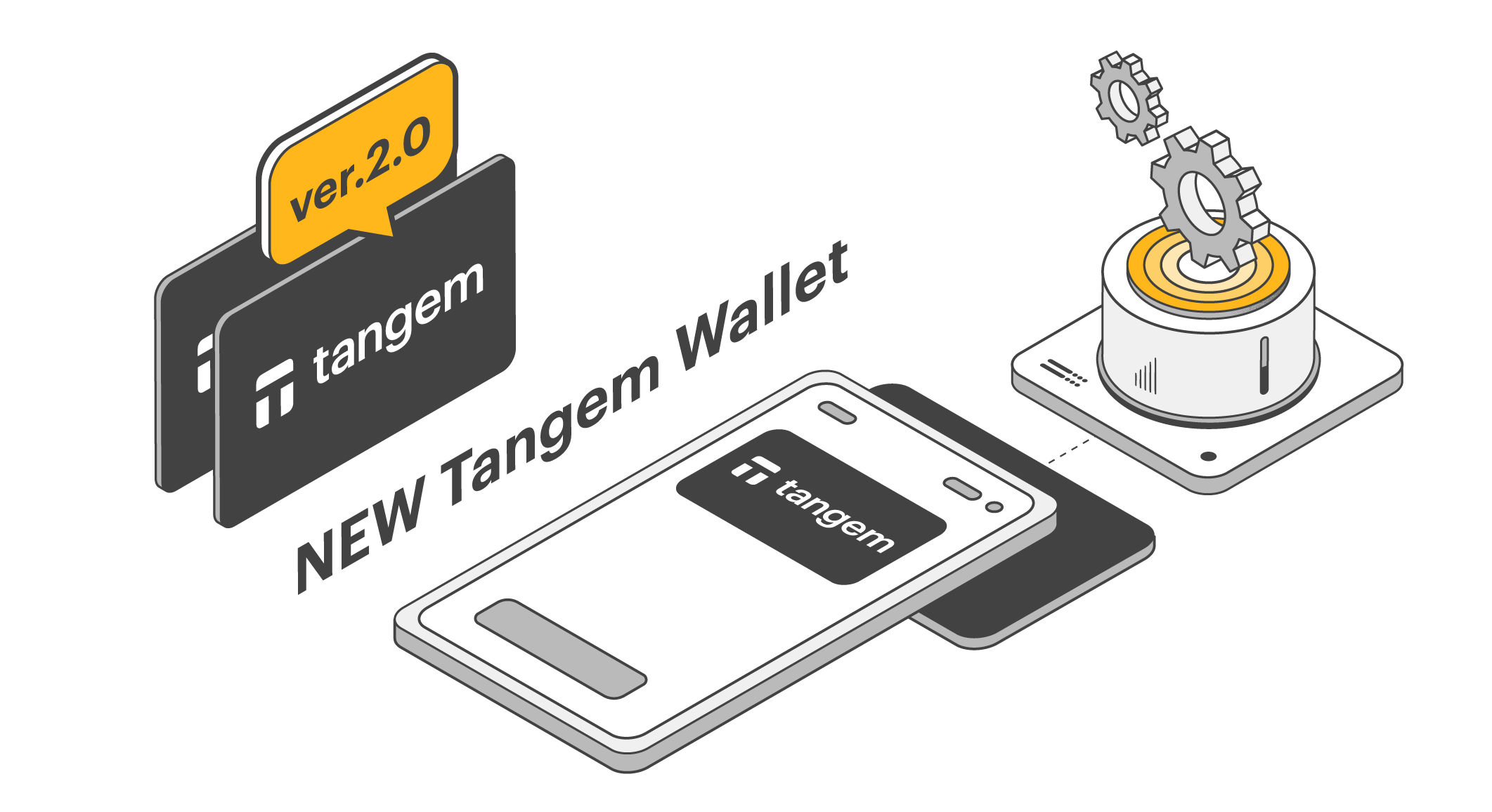
How the Tangem App and Card Work Together
I’m biased, but the pairing of the app and card feels natural. You install the app, tap the card, and the app reads the card’s public data. The app creates a friendly UI for transaction history, token balances, and sending tokens. When you initiate a transaction the app composes the payload, sends it to the card via NFC, and the card signs it internally—so the private key stays inside. The simplicity hides a few clever engineering choices, which is nice because most people don’t want to be engineers.
My hands-on testing included a few awkward moments. Hmm… the first time I tried to use a merchant-terminal-style NFC reader, the phone screen kept turning off. I had to hold things at an angle. Small annoyances like that are common with NFC. But once you get the tap rhythm, it’s fine.
Also, I tried backing up access the way a typical user might (sigh). The Tangem model emphasizes single-device custody with recovery options that differ from seed phrases. That bothered me at first. Something felt off about not having a written seed you can tuck away in a safe. Then I read the docs again and experimented with their backup card option and now I see why they chose this path—it favors local physical control over memorized phrases.
Here’s a quick analogy: it’s like having a safety deposit box with a smart lock. The card is the key. If you want redundancy, get a second key and put it somewhere secure. If not, then treat the single key like your only piano in the house—protect it.
Security-wise, the threat model is straightforward. The main risks are physical theft of the card, loss without backup, and phone compromise when using the app. Remote online attacks against the card’s private key are much harder because the key never leaves the device. But social-engineering and physical threats remain real. Treat your card like cash: easy to use, easy to lose if careless.
On usability, NFC makes daily spending and micro-transactions practical. Seriously? Yes. I sent a small token to a friend in a coffee shop just by tapping their phone and my card. No cable, no awkward QR scanning, no fumbling. For people who want crypto for quick, everyday transfers, this is a big deal.
However, not all phones are created equal. Older Androids and iPhones have varying NFC behaviors. Sometimes Android gives more freedom, sometimes iOS is more restrictive. That fragmentation can be frustrating for folks who expect a truly plug-and-play experience. It works, but you may have to be patient.
One design choice that I appreciate is the minimal attack surface of the app. The Tangem app’s role is primarily UI and communication. It doesn’t store your private key. So even if your phone gets compromised, the attacker needs physical access to the card to sign transactions. That’s a buffer many mobile-first wallets lack.
That said, I am not 100% sure about every edge case. There are advanced threats like proximal relay attacks or malicious NFC readers, and while the card’s secure element mitigates many of these, no system is perfect. On one hand, the card’s single-purpose hardware is safer. Though actually, wait—let me rephrase that—safety increases if you follow guidelines, like keeping a backup card and verifying transaction details before approving.
Practical tips from my time using the card: label your backup card and keep it physically separate. Practice taps so you know the sweet spot. Use the app’s transaction preview to verify recipient addresses. And if you’re storing meaningful wealth, consider combining the card with another layer, like a multisig arrangement where the card is one signer among others.
Another point that bugs me is vendor lock-in. If you build your whole flow around a single proprietary card, you’re depending on the company’s firmware and app support. That’s a little unnerving. On the flip side, Tangem has designed their cards to be firmware-upgradable and to support wide token compatibility, which eases that concern somewhat.
Okay, so check this—interoperability matters in the long run. The ecosystem is fragmented. But the industry is moving toward standards, and Tangem has played along with many of them. If they keep supporting common token standards and widely used signing formats, then switching or integrating with other services becomes less painful.
Cost is worth mentioning. Hardware cards aren’t free. For a casual user buying a card is a small investment, but for someone managing institutional funds it’s trivial. I felt the price point favors mainstream adoption, though some users on a tight budget might still prefer software-only wallets.
Here’s what I found surprising: the social friction for adoption is lower than I expected. Friends were curious, not skeptical, when I showed them the tap-to-pay style demo. The form factor helps—most people understand a card. That matters when you try to onboard non-technical folks to crypto.
On the topic of regulatory and long-term concerns, there’s nuance. If you lose the card and don’t have a backup, recovery can be complicated. Different jurisdictions treat hardware custody differently for estate planning and taxes. Consult a local professional if you plan to move significant assets—I’m not giving legal advice, just sharing what I learned.
Common Questions
How secure is an NFC card compared to a seed phrase?
Short answer: Different trade-offs. The card keeps keys in hardware and avoids exposed seed phrases. Seed phrases give flexible recovery but increase human error risk. Use what fits your risk tolerance and backup discipline.
Can I use the Tangem card with multiple devices?
Yes, the card can sign for different phones, but you need physical access to the card each time. That makes it portable but also physically dependent.
What happens if the card is damaged?
Then you rely on backups. Tangem supports backup card options and certain recovery workflows. If you have no backup, recovery is unlikely—so plan ahead.
I’ll be honest: somethin’ about holding a tiny secure element in my hand felt empowering. I’m not evangelical about replacing all other wallets, but for many users a contactless card wallet hits a sweet spot between security and convenience. If you’re curious, try a small experiment: buy one card, use it with a modest amount, and see if the UX fits your habits. You’ll learn fast whether this is for you or not.
Final thought—okay, maybe not final, because I’m still noodling on multisig combos—the Tangem app plus the card is an elegant solution for day-to-day crypto. It reduces complexity without ignoring core security principles. That balance is rare. If you want the straightforward path to cold custody without a lot of fuss, the tangem card is worth considering.
